
GPT Image 2: Release Date, Features, and Everything You Need to Know
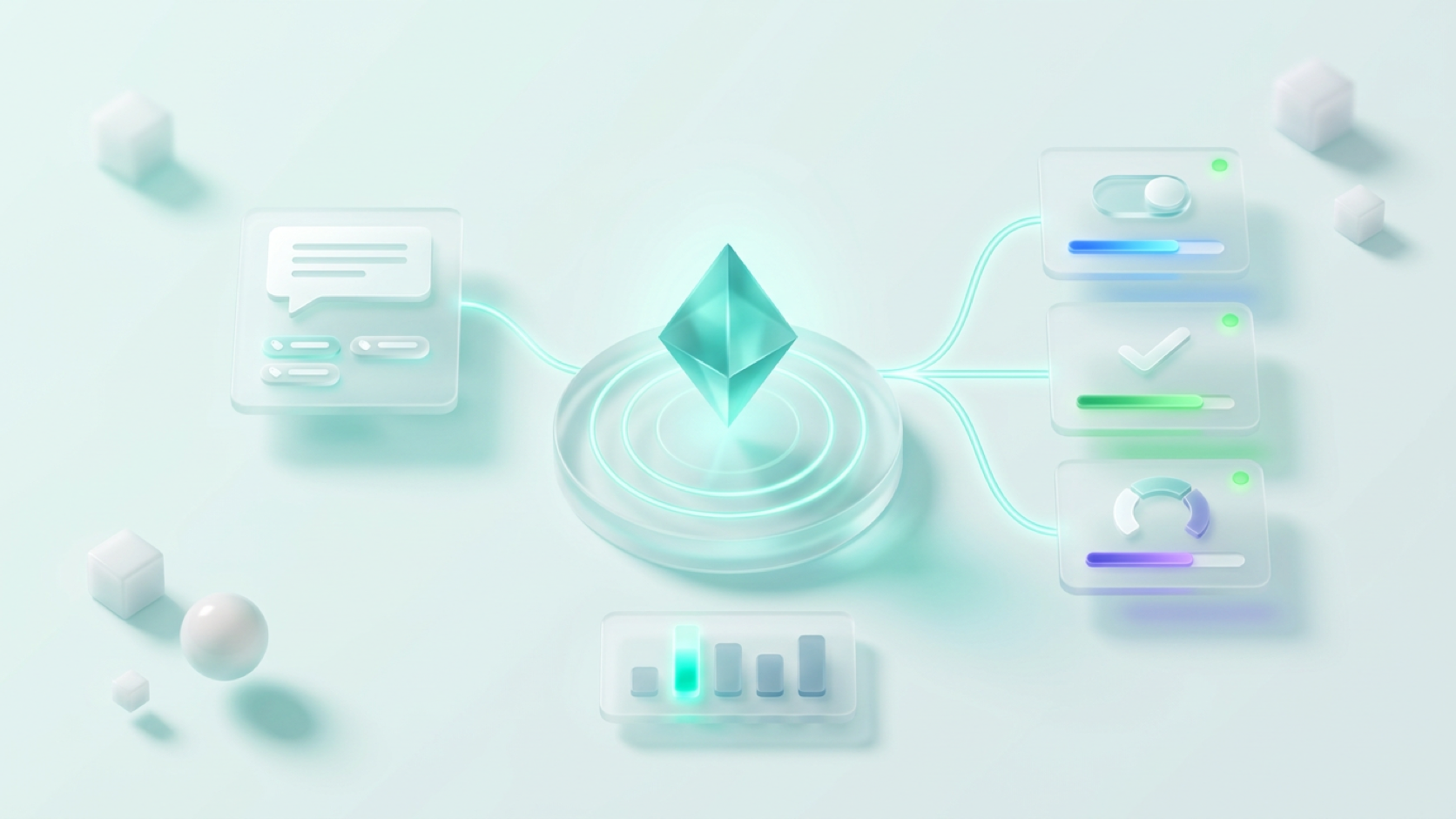
GPT Image 2 (also called ChatGPT Images 2.0) is OpenAI's third-generation native image model, succeeding GPT Image 1 from March 2025 and GPT Image 1.5 from December 2025. Unlike DALL-E 3, which was bolted onto ChatGPT as a separate tool — gpt-image-2 is built directly into the GPT architecture. Its defining breakthrough is O-series reasoning: the model researches, plans, and self-checks before rendering a single pixel. The result is near-perfect text accuracy in any language, surgical multi-turn editing, and up to 2K resolution natively.
Release date and availability
The model followed a short but eventful pre-launch window. Here's how the rollout actually played out:
Key features that actually matter
A lot of "AI model" coverage lists specs without telling you what changes in practice. Here's what's genuinely different about gpt-image-2 compared to anything that came before it.
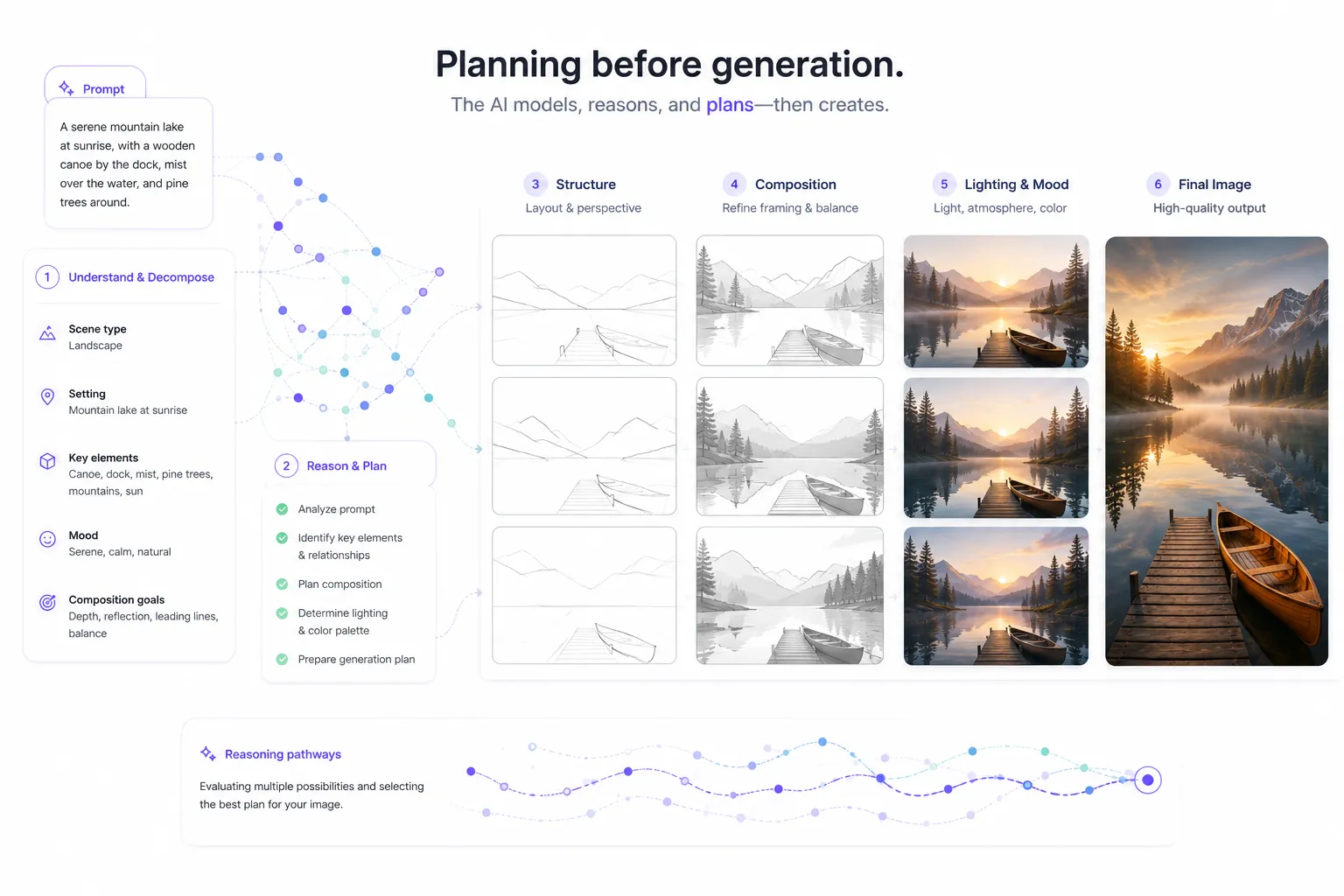
Reasoning before rendering
The first image model to think before it generates. It researches context, plans the composition, and self-corrects, making complex first-attempt results dramatically better.
Near-perfect text in images
Signs, labels, poster copy, UI text, CJK characters, rendered accurately on the first try. Text accuracy jumps from ~60% (DALL-E 3) to over 99%.
Surgical multi-turn editing
Change a background, swap an outfit, adjust lighting without the model drifting or reimagining parts you didn't touch. Context-aware editing across sessions.
Multi-image consistency
Generate up to 8 coherent images from one prompt in Thinking Mode. Consistent characters, objects, and visual style across the full set — finally usable for storyboards and campaigns.
Style fidelity across any genre
Pixel art, manga panels, architectural diagrams, film photography, editorial covers, each handled with specificity, not generic approximation.
Flexible resolutions
Not locked into fixed presets. Any aspect ratio from 3:1 ultra-wide to 1:3 ultra-tall, up to 2048px per side natively. Great for multi-format content pipelines.
GPT Image 2 vs DALL-E 3 vs Midjourney
DALL-E 3 was the industry benchmark when it launched in 2023. GPT Image 2 doesn't iterate on it, it replaces it entirely. Here's the honest breakdown:
Verdict: GPT Image 2 wins on text accuracy, instruction following, editing, and API integration. Midjourney still leads for pure artistic photorealism. DALL-E 3 is effectively superseded for any new project from May 2026 onwards.
Use cases for creators and businesses
Architecture and benchmarks
OpenAI has not publicly disclosed the full architecture of gpt-image-2, which creates real constraints for developers planning infrastructure. What's confirmed from the official announcement and independent testing:
What's next
GPT Image 2 establishes a new baseline. Based on OpenAI's release cadence, GPT Image 1 in March 2025, GPT Image 1.5 in December 2025, GPT Image 2 in April 2026, the next major version could arrive within roughly six to nine months. The areas with the most room to grow: real-time generation for interactive applications, 3D asset output, more precise brand logo reproduction, and extended knowledge cutoffs.
On safety, C2PA watermarking is already baked in. Content filters remain standard, though OpenAI hasn't published a detailed breakdown of what triggers them in the new model. For compliance-sensitive use cases (legal, medical, news illustration), Google's SynthID watermarking approach with copyright indemnification may still be worth considering as an alternative.
Common questions
What is GPT Image 2 exactly?
GPT Image 2 (officially ChatGPT Images 2.0, model ID gpt-image-2) is OpenAI's third-generation native image model. Unlike DALL-E 3, which was a standalone model connected to ChatGPT externally, GPT Image 2 is natively integrated into the GPT architecture and includes O-series reasoning capabilities, making it the first image model that thinks before it generates.
GPT Image 2 vs Midjourney — which is better?
Depends what you're making. GPT Image 2 wins on text accuracy, instruction following, in-place editing, API integration, and multi-image consistency. Midjourney v6.1 still holds the edge for pure artistic photorealism and painterly aesthetics. For commercial work involving text, editing, or programmatic pipelines, GPT Image 2 is the stronger choice.
Does GPT Image 2 replace DALL-E 3?
Yes, formally. DALL-E 2 and DALL-E 3 are both deprecated and retire on May 12, 2026. Developers with existing DALL-E 3 integrations need to migrate before that date. GPT Image 2 outperforms DALL-E 3 on every major metric — resolution, text accuracy, editing, and instruction following.
What are the best prompts for GPT Image 2?
The most effective prompts specify five things: (1) the scene and environment, (2) the exact text to render — spell it out fully, (3) the visual style by name (e.g. "film photography grain," "editorial magazine cover"), (4) the target format or aspect ratio, and (5) the tone or mood. Conversational follow-ups work well for refinement — you don't need to rewrite the full prompt each time.