GPT Image 1.5 is OpenAI’s latest image-generation model available via the OpenAI API, designed for teams that need repeatable outputs and editable images inside real products—not just one-off creations. OpenAI positions it around stronger instruction-following, better edit preservation (composition/lighting/detail), and faster generation for tighter iteration loops.
If you’re building an “image tool” into your app – brand creatives, product shots, marketing variants, game assets, avatars, UI illustrations, or content automation, GPT Image 1.5 is built to behave like an API-first creative engine: predictable, controllable, and scalable.
GPT Image 1.5 is explicitly optimized for better instruction following and adherence to prompts, which is crucial when you need layouts, constraints, and consistent outputs across many generations.
Rollout coverage highlights major speed gains (often summarized as “up to ~4× faster”), which matters when your workflow is “generate → adjust → regenerate” at scale.
OpenAI’s positioning emphasizes edits that keep identity, lighting, and composition stable across changes, useful for iterative production (swap background, update wardrobe, reframe, adjust style) without visual drift.
GPT Image 1.5 supports practical controls that map to real product needs:
GPT Image 1.5 uses token-based pricing across text tokens and image tokens. Current pricing (per 1M tokens):
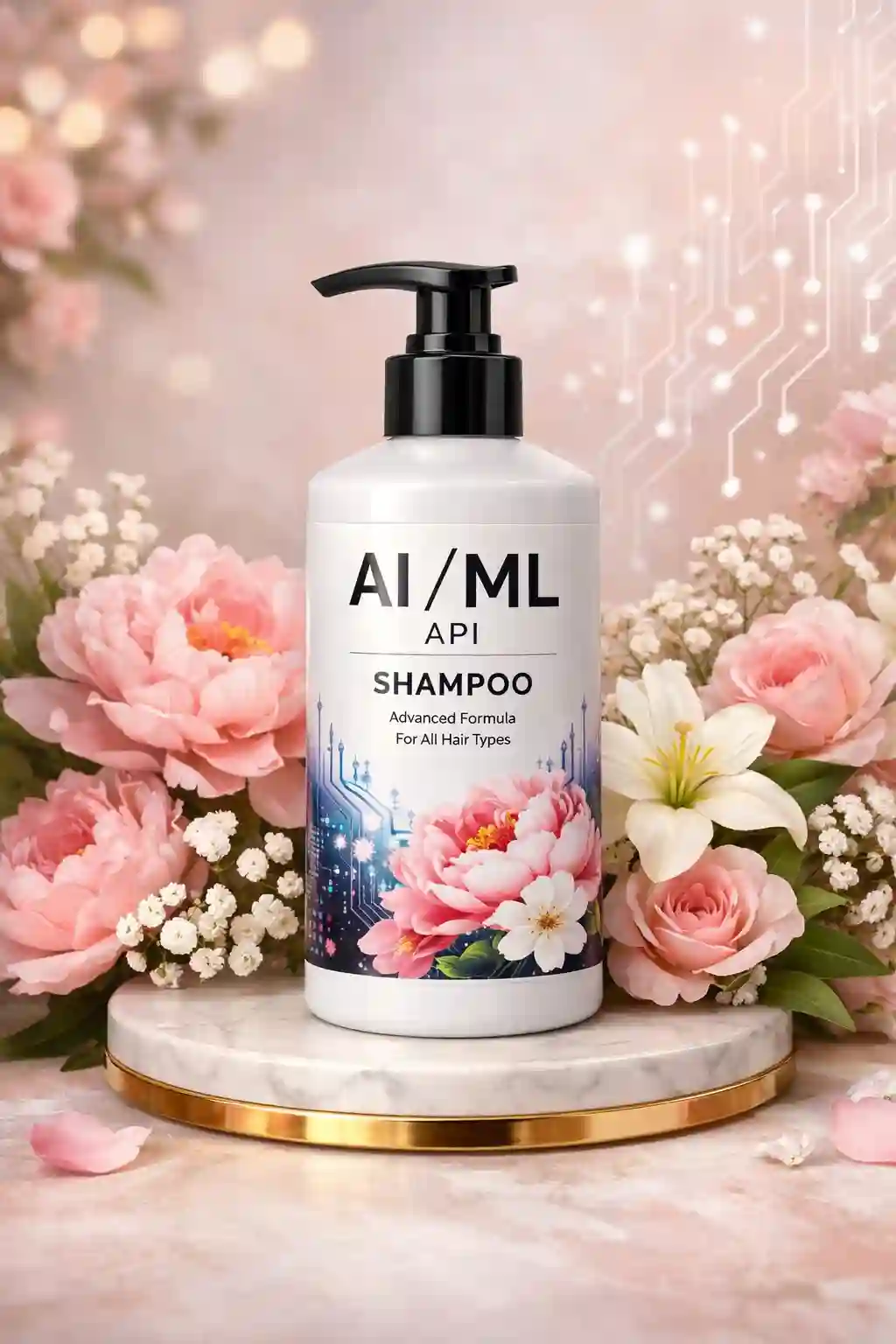

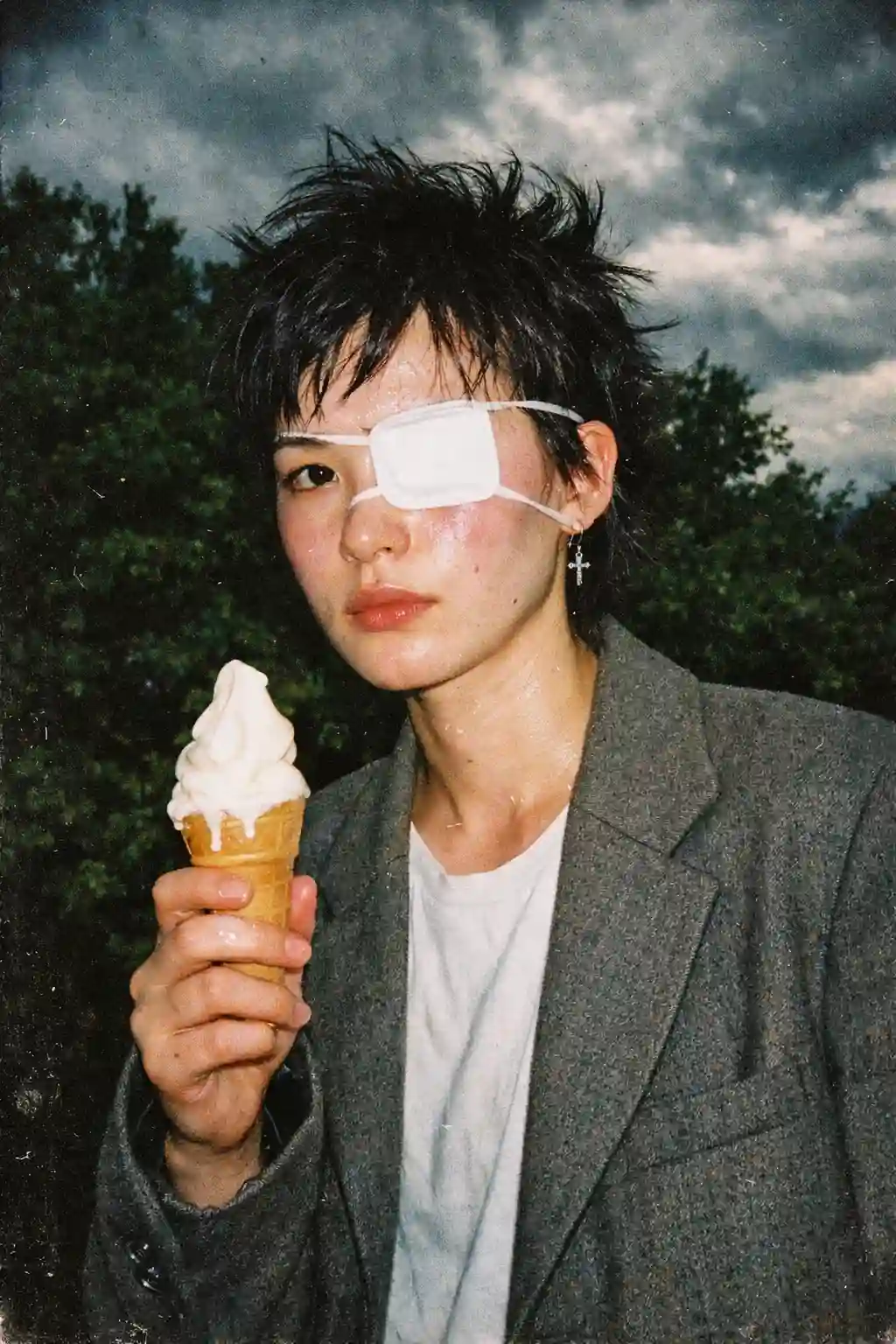
GPT Image 1.5 focuses on fast, prompt-driven generation with strong support for readable text, UI-style graphics, and tight integration into the OpenAI and Microsoft ecosystems, making it easier to drop into existing apps and enterprise pipelines. FLUX.2, by contrast, is an open-weight, locally deployable model that emphasizes high-end photographic realism and advanced features like multi-image conditioning, but it typically demands more setup, tuning, and tooling knowledge to get consistent results.
In a practical GPT Image 1.5 vs Google Nano Banana comparison, GPT Image 1.5 is usually the better pick for a production image generation API because it’s positioned around stronger prompt adherence and high-fidelity, repeatable edits that preserve critical details, especially branded logos, facial likeness, lighting, and composition, so creatives don’t “drift” as you iterate, and OpenAI also notes it’s cheaper than the prior GPT Image model while supporting multi-turn editing workflows via the API.
Nano Banana Pro (Google Gemini 3 Pro Image) is excellent for fast, conversational creation/editing inside the Gemini ecosystem, and Nano Banana Pro is marketed with upgrades like advanced text rendering, more precise controls, and higher resolution—but if you care most about consistent, brand-safe output and dependable edit preservation at scale, GPT Image 1.5 has the clearer advantage.

Teams report that GPT Image 1.5 feels purpose-built for production design workflows: creating marketing assets, iterating on product visualizations, and generating variations under tight creative constraints. The model's strength is predictability. It does what you tell it to do, which matters more in professional contexts than generating surprising artistic interpretations.
The tradeoff is straightforward: some creators find the outputs "less inspired" than competitor models optimized for artistic flourish. If your use case prioritizes whimsy or stylistic experimentation over instruction-following, evaluate alternatives carefully.
The API includes content moderation controls (auto or low settings), and users will encounter policy-based generation limits. These guardrails are more noticeable than some competitor models, particularly for edge-case prompts or sensitive content categories.
CHECK MODEL DOCUMENTATION HERE: https://aimlapi.com/app/openai/gpt-image-1-5
Measured on the AI/ML API gateway across live traffic. Figures are medians unless stated. Last updated 2026-10-12.
import requests

r = requests.post(
    "https://api.aimlapi.com/v1/images/generations",
    headers={"Authorization": "Bearer " + AIMLAPI_KEY},
    json={
      "model": "openai/gpt-image-1-5",
      "prompt": "A cat holding a sign that says hello"
    },
)
print(r.json())
const r = await fetch("https://api.aimlapi.com/v1/images/generations", {
  method: "POST",
  headers: {
    Authorization: `Bearer ${process.env.AIMLAPI_KEY}`,
    "Content-Type": "application/json",
  },
  body: JSON.stringify({
    "model": "openai/gpt-image-1-5",
    "prompt": "A cat holding a sign that says hello"
  }),
});
console.log(await r.json());
curl -X POST https://api.aimlapi.com/v1/images/generations \
  -H "Authorization: Bearer $AIMLAPI_KEY" \
  -H "Content-Type: application/json" \
  -d '{"model":"openai/gpt-image-1-5","prompt":"A cat holding a sign that says hello"}'
OpenAI-compatible — swap the base URL and it works with your existing SDK.
| Type | Price |
|---|---|
| Input | |
| Output | |
| Cached input |
Text prompt $6.5/1M · cached text $1.625/1M · generated image tokens $41.6/1M (image input tokens $10.4/1M, cached image tokens $2.6/1M; text output tokens, if used, $13/1M).
| Benchmark | Score | What it measures | Source | Retrieved |
|---|---|---|---|---|
| Text-to-Image Arena | 1104 | Human preference Elo from blind pairwise comparisons of generated images, measured independently by Artificial Analysis | Source | September 28, 2026 |
| Model | Input | Output | Context | Best for |
|---|---|---|---|---|
GPT Image 1.5 This page | Image generation at scale | |||
| Image generation at scale | ||||
| Image generation at scale | ||||
| Image generation at scale | ||||
| Image generation at scale |
1. Register on our platform
2. Verify your account
3. Create an API key
4. Copy the code from this page
5. Paste it in your project
GPT-Image-1.5 is 4x Faster than the previous models – DALL-E 3 and GPT-Image-1. Detailed high resolution images now take near 30 seconds to be generated.
GPT-image-1.5 is OpenAI's most advanced image generation model, capable of creating and editing high-quality, detailed images from text descriptions and reference images.
GPT-Image-1.5 was released on December 16, 2025. OpenAI made the model available globally to all ChatGPT users and through the API on this date, marking a significant upgrade to their image generation capabilities.